
Dog Digestive Issues: Causes and Solutions
Dog digestive issues are one of the most common health concerns for pet owners. Symptoms such as soft stools, diarrhea, or irregular digestion may appear suddenly, but in many cases, they are caused by small, repeated habits over time.
Understanding these underlying causes is the key to fixing the problem and preventing it from returning.
Common Causes of Dog Digestive Problems
There are several factors that can contribute to digestive issues in dogs:
- Sudden changes in diet
- Poor-quality or unsuitable food
- Drinking contaminated water (such as puddles outdoors)
- Overfeeding or inconsistent feeding routines
- Stress or environmental changes
Among these, exposure to outdoor water sources is one of the most overlooked causes.
How Outdoor Habits Can Affect Digestion
During daily walks, many dogs are naturally curious and may drink from puddles, roadside water, or other outdoor sources. While this behaviour may seem harmless, it can introduce bacteria or disrupt the balance of the gut microbiome.
As shown in a real-life case study, even a small habit like drinking rainwater during walks can lead to recurring digestive issues over time.
How a Small Habit Led to My Dog’s Digestive Issues
This highlights how minor daily behaviours can have a long-term impact on a dog’s gut health if not addressed early.
Symptoms to Watch For
If your dog is experiencing digestive issues, you may notice:
- Loose or soft stools
- Occasional diarrhea
- Increased frequency of bowel movements
- Reduced appetite
- Mild lethargy
Monitoring these signs early can help prevent more serious conditions.
How to Fix Dog Digestive Issues
1. Control Outdoor Behaviour
Avoid letting your dog drink from puddles or unknown water sources. Bring clean water during walks and gently redirect their attention when needed.
2. Maintain a Consistent Diet
Stick to regular feeding times and avoid sudden changes in food. Gradual transitions are essential when switching diets.
3. Support Gut Health
Probiotics and prebiotics can help restore digestive balance and improve stool quality over time. These supplements are especially useful for dogs that are frequently exposed to outdoor environments.
4. Increase Daily Activity
Regular exercise helps support digestion and overall health. Even moderate daily activity can improve gut function.
5. Monitor Daily Habits
Small behaviours, such as drinking from the ground or eating unknown substances, can have a bigger impact than expected. Paying attention during walks can make a significant difference.
When to See a Vet
You should consult a veterinarian if:
- Diarrhea lasts more than 48 hours
- There is blood in the stool
- Your dog shows signs of dehydration or fatigue
- There is sudden weight loss
Early intervention is important to prevent complications.
Best Supplements for Dog Digestive Issues
ou may also consider supporting your dog’s recovery with a high-quality digestive supplement. Probiotics help restore the balance of gut bacteria disrupted during diarrhea and ongoing digestive issues.
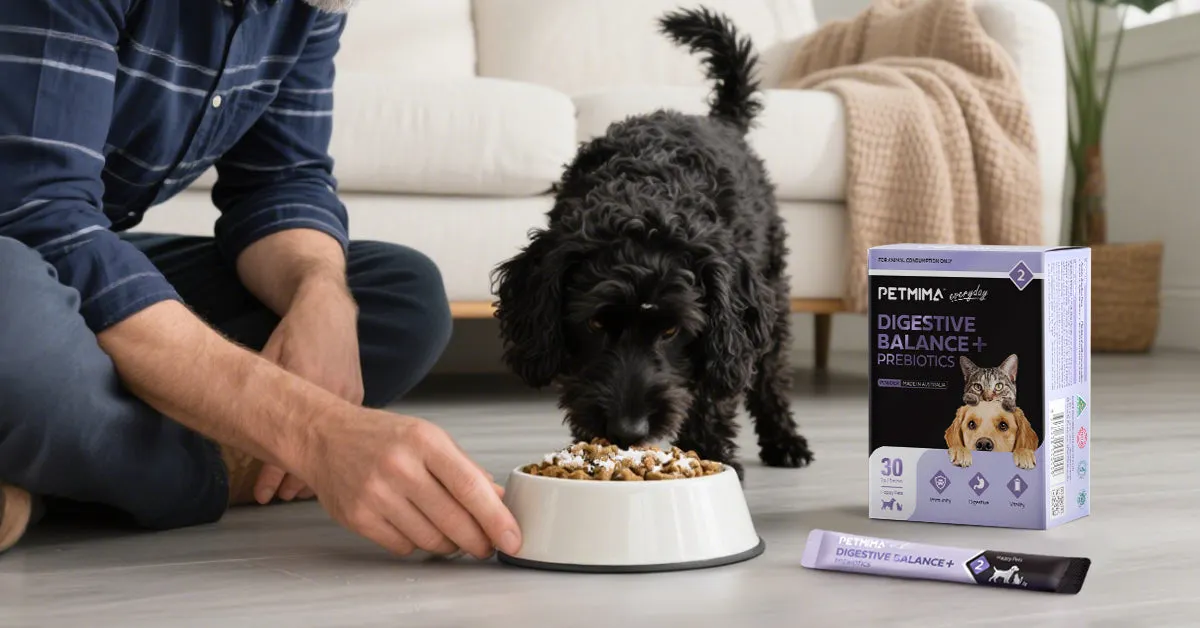
Many pet owners see better stool consistency with daily formulas made from natural, plant-based ingredients and no artificial additives. In Australia, Petmima Digestive Balance + Prebiotics is an Australian-made option using clean, plant-based ingredients designed for daily gut support. It’s easy to mix with food and suitable for long-term use in dogs with sensitive digestion.
When choosing the best probiotics for dogs, prioritise clean ingredients, Australian-made quality, and formulas designed for dog digestive issues.
Final Thoughts
Dog digestive issues are often the result of small, repeated habits rather than one-time problems. Identifying and adjusting these habits,especially those that occur during outdoor activities,can significantly improve your dog’s gut health.
By combining behaviour management with proper dietary support, most mild digestive issues can be effectively controlled and prevented over time.
Leave a Reply